Material Selection & Processing Guide

Choosing the most suitable manufacturing materials for your design is the first step in ensuring product performance, cost, and delivery time. Combining over 20 years of experience in prototype modeling and precision manufacturing, Jingxin Precision has established a comprehensive material system covering CNC machining, sheet metal, injection molding, 3D printing, metal 3D printing, and vacuum casting. Whether you need high-strength aluminum alloy structural components, high-temperature resistant specialty engineering plastics, or rapid resin prototypes for large-scale appearance verification, we can provide a matching solution that is highly consistent with the final mass-production material.

CNC Machining Materials

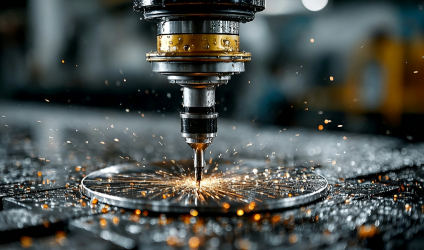
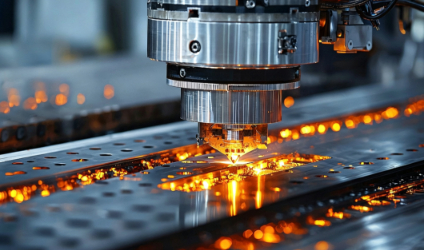
We possess 88 large, high-speed CNC machining centers and 3 five-axis CNC machining centers, with a maximum machining stroke of 2800x1800x850mm. Combined with comprehensive cutting processes, we can meet the precision machining needs of various large, medium, and small metal and plastic parts.

CNC Metals

Aluminum Alloys

Stainless Steel

Brass

Copper

Titanium

Magnesium

Aluminum Alloys


AL6061, AL7075, etc. Low density, high strength, easy to machine, good anodizing effect, widely used in aerospace, automotive chassis parts, consumer electronics housings and heat sinks. (A separate page can be generated: Aluminum Alloy CNC Machining).
Stainless Steel


AL6061, AL7075, etc. Low density, high strength, easy to machine, good anodizing effect, widely used in aerospace, automotive chassis parts, consumer electronics housings and heat sinks. (A separate page can be generated: Aluminum Alloy CNC Machining).
Brass


AL6061, AL7075, etc. Low density, high strength, easy to machine, good anodizing effect, widely used in aerospace, automotive chassis parts, consumer electronics housings and heat sinks. (A separate page can be generated: Aluminum Alloy CNC Machining).
Copper


AL6061, AL7075, etc. Low density, high strength, easy to machine, good anodizing effect, widely used in aerospace, automotive chassis parts, consumer electronics housings and heat sinks. (A separate page can be generated: Aluminum Alloy CNC Machining).
Titanium


AL6061, AL7075, etc. Low density, high strength, easy to machine, good anodizing effect, widely used in aerospace, automotive chassis parts, consumer electronics housings and heat sinks. (A separate page can be generated: Aluminum Alloy CNC Machining).

Magnesium


AL6061, AL7075, etc. Low density, high strength, easy to machine, good anodizing effect, widely used in aerospace, automotive chassis parts, consumer electronics housings and heat sinks. (A separate page can be generated: Aluminum Alloy CNC Machining).

CNC Engineering Plastics

ABS

PC (Polycarbonate)

POM (Polyoxymethylene)

PMMA (Acrylic)

PA/Nylon

PEEK (Polyetheretherketone)

Bakelite

ABS


The most commonly used general-purpose plastic; good toughness and impact resistance, suitable for interior and exterior trim parts and functional prototypes.

PC (Polycarbonate)


The most commonly used general-purpose plastic; good toughness and impact resistance, suitable for interior and exterior trim parts and functional prototypes.

POM (Polyoxymethylene)


The most commonly used general-purpose plastic; good toughness and impact resistance, suitable for interior and exterior trim parts and functional prototypes.

PMMA (Acrylic)


The most commonly used general-purpose plastic; good toughness and impact resistance, suitable for interior and exterior trim parts and functional prototypes.

PA/Nylon


The most commonly used general-purpose plastic; good toughness and impact resistance, suitable for interior and exterior trim parts and functional prototypes.

PEEK (Polyetheretherketone)


The most commonly used general-purpose plastic; good toughness and impact resistance, suitable for interior and exterior trim parts and functional prototypes.

Bakelite


The most commonly used general-purpose plastic; good toughness and impact resistance, suitable for interior and exterior trim parts and functional prototypes.

Sheet Metal Materials

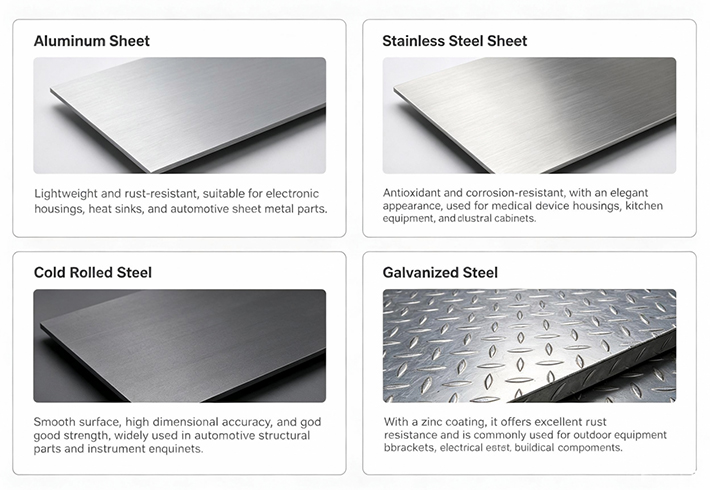
For thin metal sheets typically less than 6mm thick, we offer a complete one-stop integrated cold working process, including cutting, stamping/composite forming, bending, welding, riveting, splicing, and shaping.

Aluminum Sheet

Lightweight and rust-resistant, suitable for electronic housings, heat sinks, and automotive sheet metal parts.


Stainless Steel Sheet

Antioxidant and corrosion-resistant, with an elegant appearance, used for medical device housings, kitchen equipment, and industrial cabinets.


Cold Rolled Steel

Smooth surface, high dimensional accuracy, and good strength, widely used in automotive structural parts and instrument enclosures.


Galvanized Steel

With a zinc coating, it offers excellent rust resistance and is commonly used for outdoor equipment brackets, electrical cabinets, and building components.

Injection Molding Materials

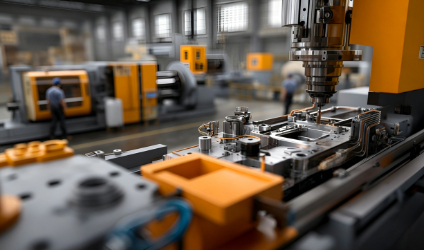
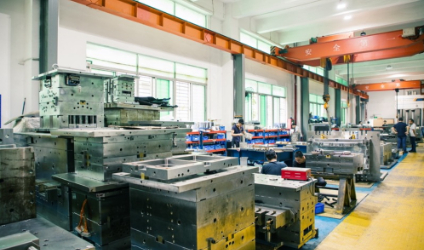
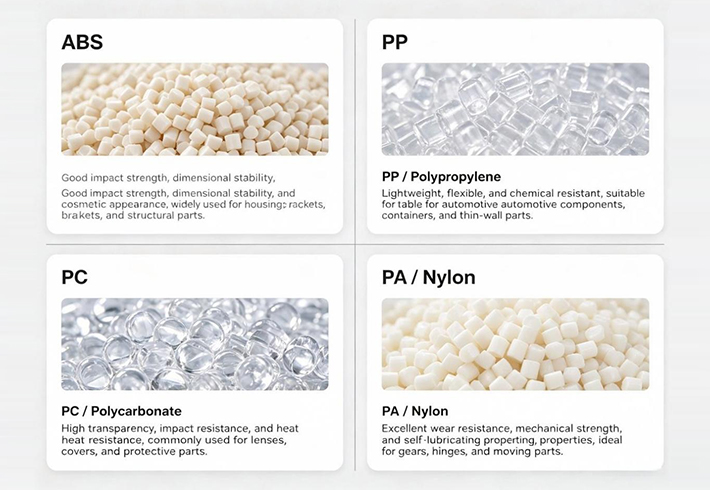
We possess professional mold design and manufacturing capabilities, as well as a fleet of injection molding machines, providing seamless injection molding services from prototype molds (rapid prototyping) to mass production steel molds. Our injection molding materials are extensive, supporting special modifications such as glass fiber reinforcement (e.g., GF15-GF50) and custom colors (mixed according to color codes). Main materials include:


ABS, PP (Polypropylene), PC (Polycarbonate), PA (Nylon), POM (Polyoxymethylene), TPU (Thermoplastic Polyurethane), PBT, PA+GF, etc.

3D Printing & Casting Materials

We are equipped with internationally leading additive manufacturing equipment, including 68 SLA machines, 8 SLS machines, 45 FDM machines, and a dedicated metal 3D printing production workshop (25 machines). Combined with a German-imported vacuum casting system, we help customers quickly achieve complex structural design verification and small-batch prototype manufacturing.

Non-metallic 3D Printing Materials

Metal 3D Printing Materials
(Metal 3D Printing / DMLS / SLM)

Vacuum Casting Materials

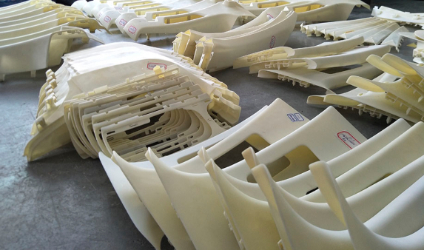
SLA Photopolymer Resin (Resin / ABS-like): High molding precision, extremely smooth surface, easily subjected to surface treatments such as painting, electroplating, screen printing, and laser engraving, making it the preferred material for appearance verification and design review.


SLS Nylon Powder (PA12 / PA+GF): Possesses excellent mechanical properties and fatigue resistance. No support is required after molding, allowing direct use in functional bench testing and small-batch end-part applications.


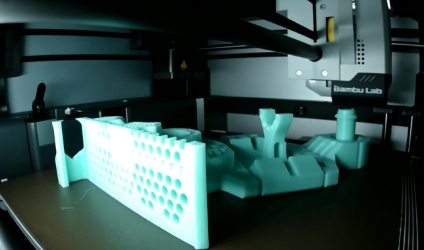
Fused Deposition Modeling (FDM) materials (PLA, ABS, PETG, PC): Extremely low material cost, suitable for molding relatively simple, large-sized prototypes, allowing for rapid verification of the product's approximate shape and spatial assembly relationships.

Metal powders (aluminum alloys, stainless steel, titanium alloys, mold steels, etc.): High-energy laser beams are used to melt metal powder layer by layer, enabling the direct, single-step fabrication of metal parts with extremely complex geometries—such as injection mold inserts with conformal cooling channels, lightweight aerospace brackets, and topology-optimized structural components—thereby overcoming the limitations of traditional CNC machining regarding deep cavities, internal holes, and complex curved surfaces.

PU Resins (ABS-, PMMA-, and PP-like): Mechanical properties comparable to mass-produced plastics; using silicone molds significantly reduces production costs.


Flexible Materials (Hardness 45A–90A): Color-customizable; suitable for producing flexible components such as rubber buttons, seals, and anti-slip pads.


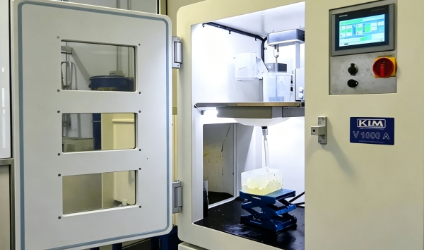
High-Temperature Resistant and Transparent Materials: Meet specific thermal resistance requirements or enable the production of fully transparent or tinted transparent parts. Vacuum casting costs are far lower than those of 3D printing or CNC machining, making it the optimal solution for small-batch pilot production (10–20 units).

Professional Material Consulting & Support

Different materials require different mechanical strengths, temperature resistance ratings, surface treatments, and tolerance controls. We understand that material selection directly impacts the success and cost of the finished product.

Injection Molding Materials

Precise Material Recommendations: Our engineering team will recommend the most cost-effective raw materials based on your product's application scenario (e.g., high-temperature resistance for automotive engine compartments, biocompatibility for medical devices, anodized casings), combined with the stress conditions of the components, weather resistance requirements, and budget.

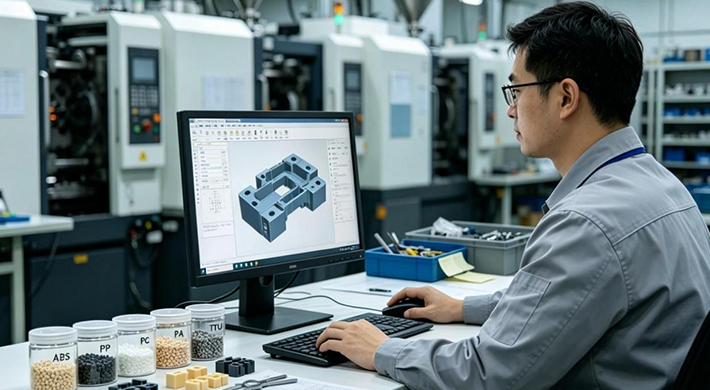
Free DFM (Design for Manufacturing) Analysis

After you provide 3D drawings or 2D engineering drawings, we will conduct a structural manufacturability assessment for you before actual production (e.g., draft angle, wall thickness uniformity, internal corner optimization) to proactively avoid potential shrinkage, deformation, and assembly interference issues after product molding.

Integrated Turnkey Service

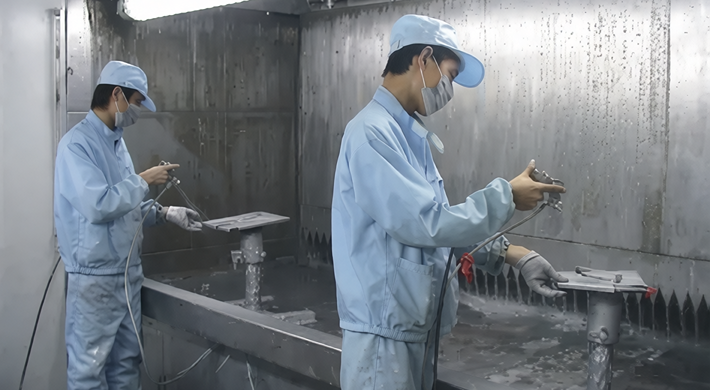
After manufacturing is completed using the selected materials, our in-house dust-free spray painting room, electroplating workshop, water transfer printing, laser engraving, and other surface treatment workshops can seamlessly connect, eliminating the need for you to outsource semi-finished products. All processes are completed in one step, significantly saving you time on outsourcing communication and quality control costs.

Ready To Work With Us?

If you have any enquiries, please feel free to reach out to us.