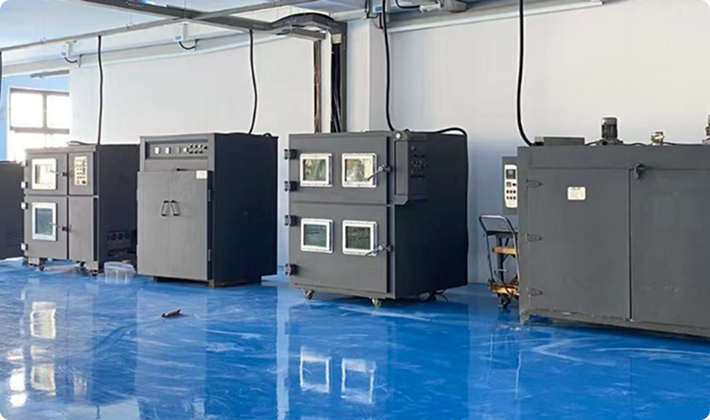
Low Volume Manufacturing

When you need quantities too large for prototyping but too small for mass-production tooling, our low-volume solutions deliver production-quality parts at competitive costs. No molds are needed, accelerating your product development and market validation with low cost and high efficiency.

GET INSTANT QUOTE
Low Volume Manufacturing

10–100 Pieces: Rapid Bridge Production

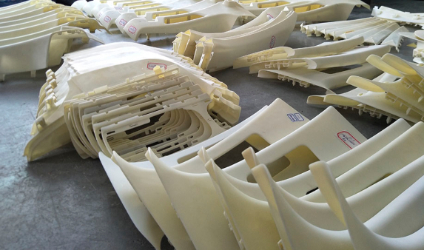
Ideal for pilot runs, market testing, and initial customer shipments. Silicone vacuum casting produces polyurethane parts from silicone molds — no hard tooling required.

Item Specification
Process Silicone Vacuum Casting (RIM/PDCPD for larger parts)
Materials PU resins simulating ABS, PP, PC, PA, rubber
Mold Life 15–25 parts per silicone mold
Lead Time 5–7 days including mold making
Best For Cosmetic prototypes, functional testing, pilot batches

100–1,000 Pieces: Scalable Low-Volume Production

For larger pre-production runs and ongoing low-volume demand. RIM (Reaction Injection Molding) and PDCPD molding use aluminum tooling to deliver structural parts at higher volumes.Reference: Our low-volume processes align with industry leaders like 3ERP, delivering the same quality standards for bridge production quantities.

Item Specification
Process RIM Low-Pressure / PDCPD High-Pressure Molding
Materials Structural polyurethane, PDCPD resin
Tooling Aluminum molds (lower cost than steel)
Lead Time 10–15 days including tooling
Best For Structural parts, enclosures, automotive components

Production Parts Manufacturing

When your design is validated and you need stable, repeatable production with documented quality, Jingxin delivers. We provide consistent batch-to-batch quality with full traceability and certification — not just "making parts," but manufacturing products you can sell.

Our production capabilities span the full range of manufacturing processes, giving you flexibility to choose the right method for your part geometry, material, and volume requirements.

Plastic Parts

From cosmetic housings to structural components, we mold and machine the full range of engineering plastics:


ABS, PC, PMMA — housings, covers, lenses, displays

PA (Nylon), POM — gears, bearings, wear parts

PP, PE — chemical-resistant components, living hinges

PBT, PPS, PEEK — high-temp, electrical, medical applications

Metal Parts

Precision-machined and fabricated metal components for structural, thermal, and functional applications:


Aluminum 6061/7075 — lightweight structural, heat sinks, brackets

Steel, Stainless 304/316 — high strength, corrosion resistance

Brass, Copper — electrical, decorative, thermal applications

Magnesium, Titanium — aerospace, medical, weight-critical

Assembly Parts

We don't just make individual components — we deliver assembled subassemblies ready for integration into your product:


Mechanical assembly: fasteners, inserts, bearings

Electrical integration: connectors, wiring, PCBs

Functional testing: pressure, electrical, dimensional

Packaging: individual, kit, retail-ready

Our Advantages

In an era driven by innovation, rapid iteration is the key to market dominance. We provide end-to-end small-batch manufacturing services, from proof of concept and functional testing to pilot production certification.

Production Capacity Base

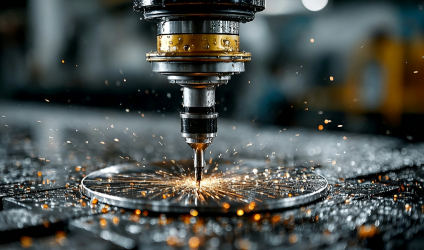
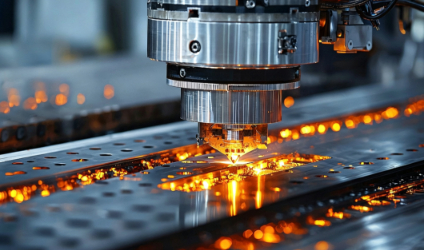
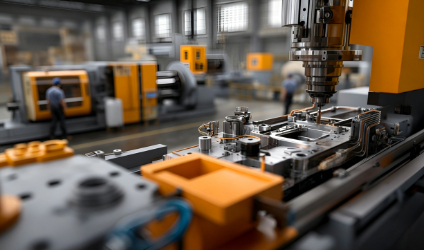
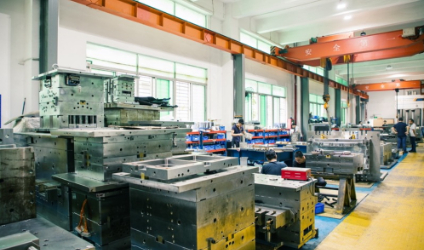
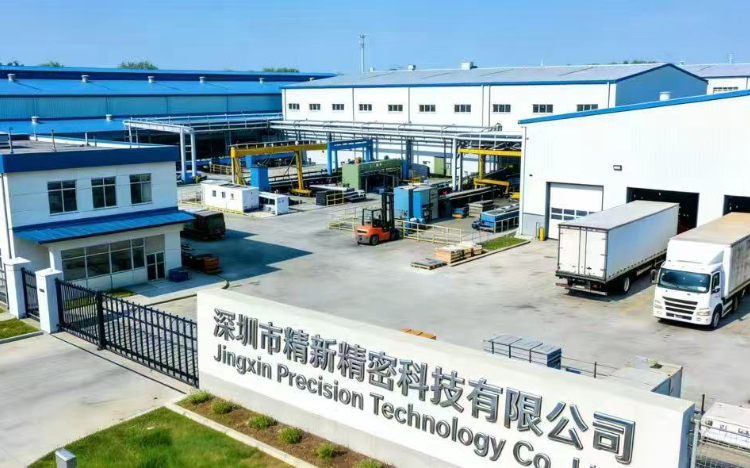
Leveraging 88 large-scale high-speed CNC machining centers, 68 SLA photopolymerization 3D printers, and 2 SLS laser powder sintering machines, we can flexibly meet manufacturing needs ranging from single parts to complex assemblies. Whether it's small-sized precision parts or large automotive structural components, we can achieve agile production with no minimum order quantity (MOQ).

Production Capacity Base
Core Cost Reduction and Efficiency Improvement

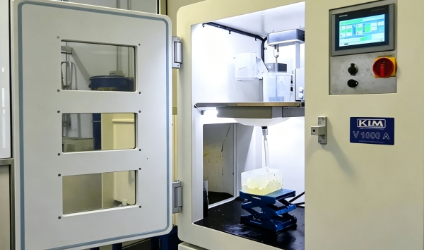
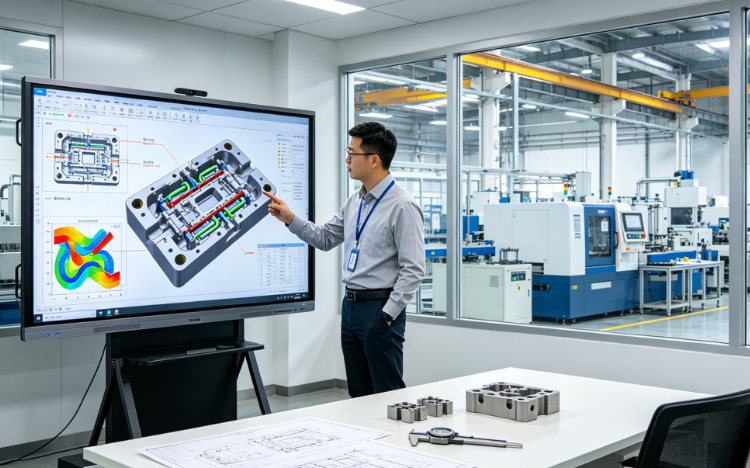
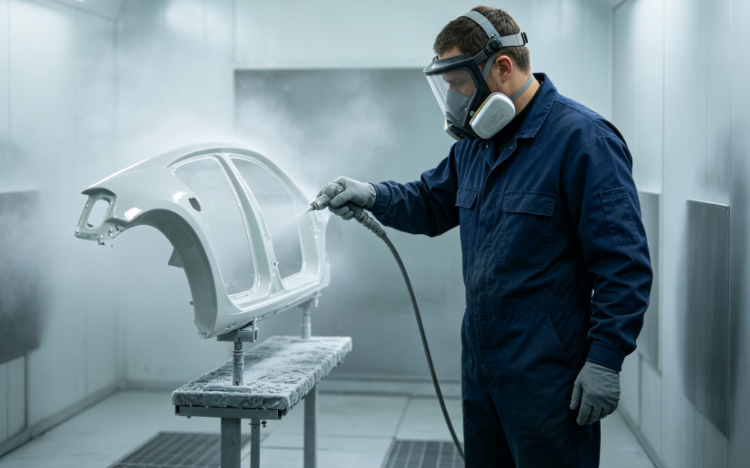
To significantly lower R&D costs for small-batch production, we utilize a combination of German-imported vacuum casting systems and RIM (Reaction Injection Molding) low-pressure casting technology. This hybrid process is particularly well-suited for manufacturing automotive bumpers, large exterior housings, and complex structural components with varying wall thicknesses. By eliminating the need for expensive steel molds, this production model drastically shortens R&D cycles; it enables you to test the market with small batches at minimal cost before full-scale production, accurately identify design and assembly flaws early on, and gain a competitive edge.
Core Cost Reduction and Efficiency Improvement

Applicable Stages

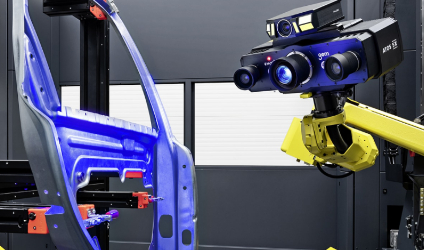
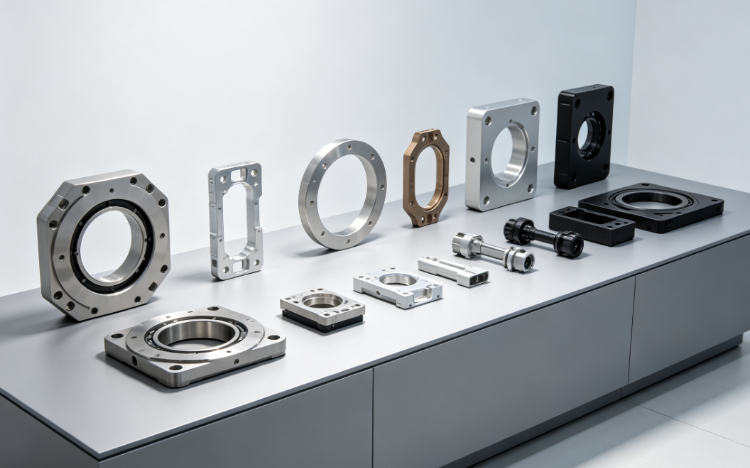
Product concept validation, structural design verification, functional/environmental testing, customer and trade show demonstrations, and small-batch market trials.
Applicable Stages

Core Advantages

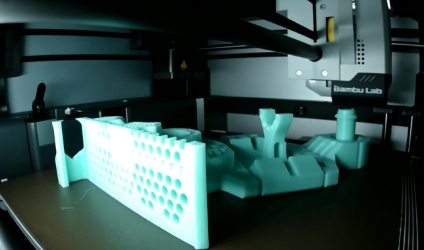
No tooling costs, rapid turnaround, flexible process combinations, single-unit production capability, and seamless integration with surface finishing processes.
Core Advantages

01

Production Capacity Base

02

Core Cost Reduction and Efficiency Improvement

03

Applicable Stages

04

Core Advantages

Ready To Work With Us?

If you have any enquiries, please feel free to reach out to us.